The 5 Earbuds Women 50+ Are Loving Most — and What Makes Them Different
For many women over 50, good sound isn’t about loudness — it’s about clarity, comfort, and connection. Whether for calls, podcasts, or music, modern earbuds have quietly become essential companions. But what separates “nice to have” from “can’t live without”? Recent design advances show a shift: brands are focusing on real-life usability — softer materials, adaptive sound profiles, and designs shaped for smaller ears.
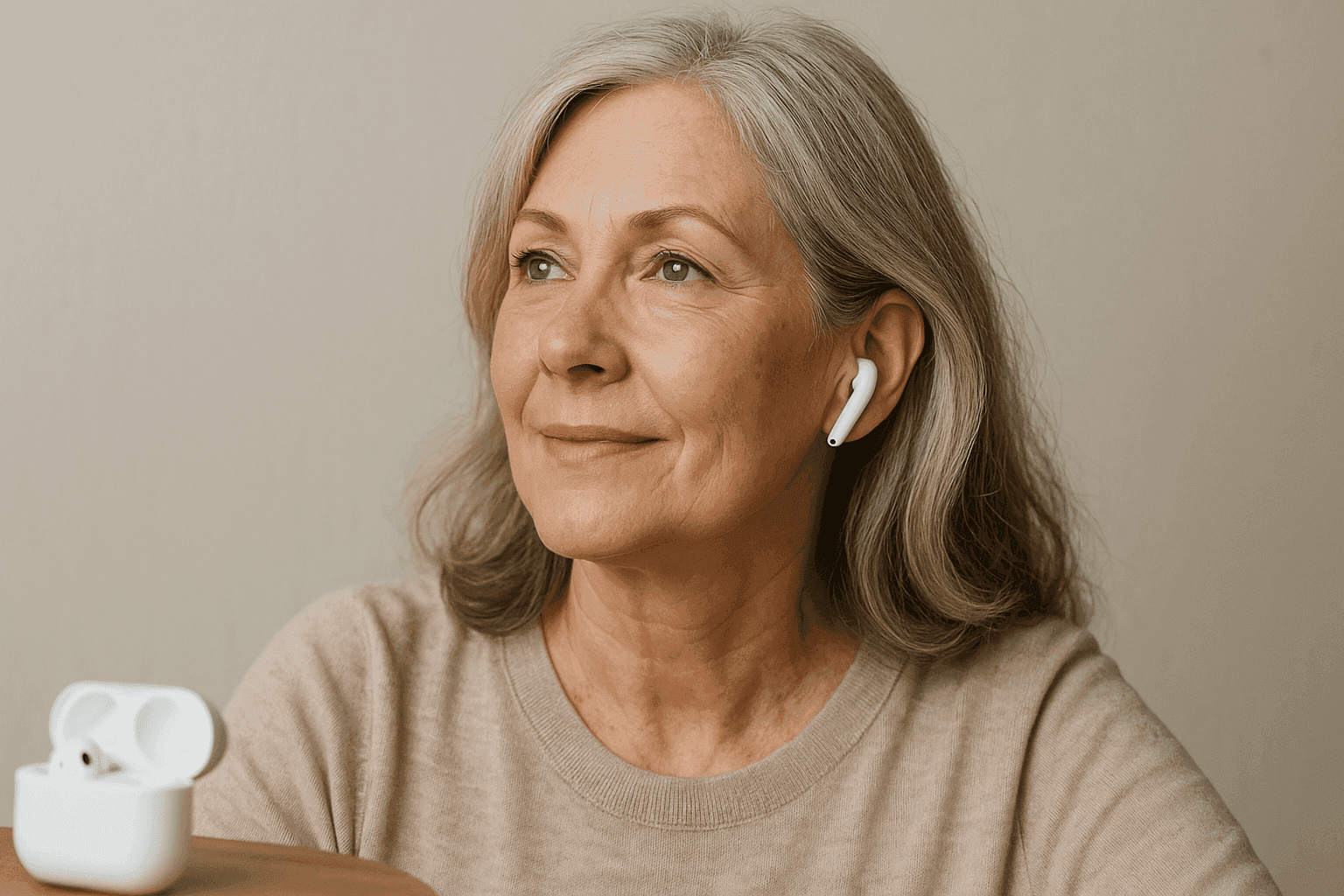
Why Comfort and Fit Matter More Than Ever
As we age, our ears change subtly — skin sensitivity, cartilage elasticity, and even hearing frequencies shift. That makes comfort more than a luxury; it’s key to consistent use.
Women 50+ often cite two frustrations: fit that never quite seals right and pressure that builds after 30 minutes of wear. New ergonomic designs aim to fix that. Brands now test with wider age groups, using softer silicone and adaptive tips to prevent ear fatigue.
According to audio design researchers, the “fit factor” directly affects sound quality. A proper seal not only enhances bass but also minimizes volume strain — an important consideration for hearing wellness.
1. Comfort-Centric Designs Taking the Lead
Among the most popular in 2025 are models focusing purely on comfort. The newest in-ear styles feature flexible wing tips and low-profile stems that stay in place without pressure. Some even include “open-ear” concepts that rest gently without full insertion, offering awareness of surroundings — ideal for walks or multitasking.
Women in product review groups consistently highlight models that “disappear” once worn. For many, that sensation of forgetting they’re even there is the gold standard.
2. Hearing-Friendly Sound Technology
It’s not about louder — it’s about clearer. Manufacturers are integrating adaptive EQ, balancing sound frequencies automatically to preserve clarity without distortion. Some earbuds detect ambient noise and subtly enhance speech frequencies, making conversations on calls easier to follow.
This isn’t marketed as a medical feature — it’s simply smart sound design, benefiting anyone who values crisp dialogue and full-range audio without overexerting their hearing.
3. Ease of Use and Accessibility
Women over 50 often emphasize intuitive controls and dependable connectivity. Complicated touch systems can be frustrating, so simple tap or voice-command features are gaining ground.
Charging has become simpler too: magnetic cases, longer battery life, and visible LED indicators reduce guesswork. One growing trend — voice assistant integration that actually works reliably — allows users to handle calls, messages, and playlists hands-free.
4. Style Still Counts
Tech doesn’t have to look clinical. Subtle color palettes — champagne, pearl, graphite — and smaller charging cases are resonating strongly with female consumers who want utility that feels personal, not industrial.
Review sentiment also reflects appreciation for minimalist design: elegant without being flashy. Many of the top-reviewed models match seamlessly with both casual and professional styles, aligning with an audience that values discreet sophistication.
5. Value and Longevity
Price sensitivity remains, but value now means lasting satisfaction, not just cost. Earbuds that survive daily use — gym sessions, calls, travel — while maintaining consistent quality are gaining loyal followings.
Women often describe their favorite pairs as “dependable” or “peace of mind” purchases: once they work well, they stay in rotation for years. With firmware updates and replaceable parts now more common, product lifespans are extending too.
The Broader Shift: Audio Wellness Meets Lifestyle Tech
What’s emerging is a convergence between lifestyle, technology, and subtle wellness. Better sound means less listening fatigue; better fit means longer, safer use. Audio devices are evolving not as fashion accessories, but as personal wellness tools — supporting connection, focus, and calm.
Experts note that design inclusivity — testing across age ranges, genders, and hearing profiles — is reshaping how audio tech is developed. The result: products that serve a broader spectrum of real-world users, not just the youth market.