
Why These Simple Exercises Are Gaining Attention Among Parkinson’s Patients
Living with Parkinson’s disease often feels like walking an invisible tightrope. Each step, each movement, even everyday tasks can become a challenge. But here’s something many don’t realize—gentle, consistent movement can be one of the most powerful tools in managing Parkinson’s symptoms. Across the country, neurologists, physiotherapists, and caregivers are noticing a shift: specialized, Parkinson’s-friendly exercises are improving quality of life in surprising ways, even in advanced stages of the disease.
The Science Behind Movement and the Parkinson’s Brain
Parkinson’s is a progressive neurological disorder that primarily affects movement and coordination. It stems from the brain’s reduced ability to produce dopamine—a chemical vital for controlling motion. While no exercise can reverse this, scientific research shows that movement stimulates brain plasticity, helping patients retain function, improve balance, and boost mood.
Activities like walking with exaggerated steps, seated boxing, tai chi, and even dancing have been shown to improve mobility and reduce falls. These movements challenge the brain to rewire itself—a process known as neuroplasticity.
And it’s not about quantity—it’s about consistency.
What Makes an Exercise “Parkinson’s-Friendly”?
The best Parkinson’s-friendly exercises share key features:
Low impact: Minimizes strain on joints
Focus on posture and balance: Essential for preventing falls
Rhythm and repetition: Helps sync motor control
Adaptable: Can be done seated, standing, or with assistance
Commonly recommended routines include:
Seated leg marches
Arm swings with resistance bands
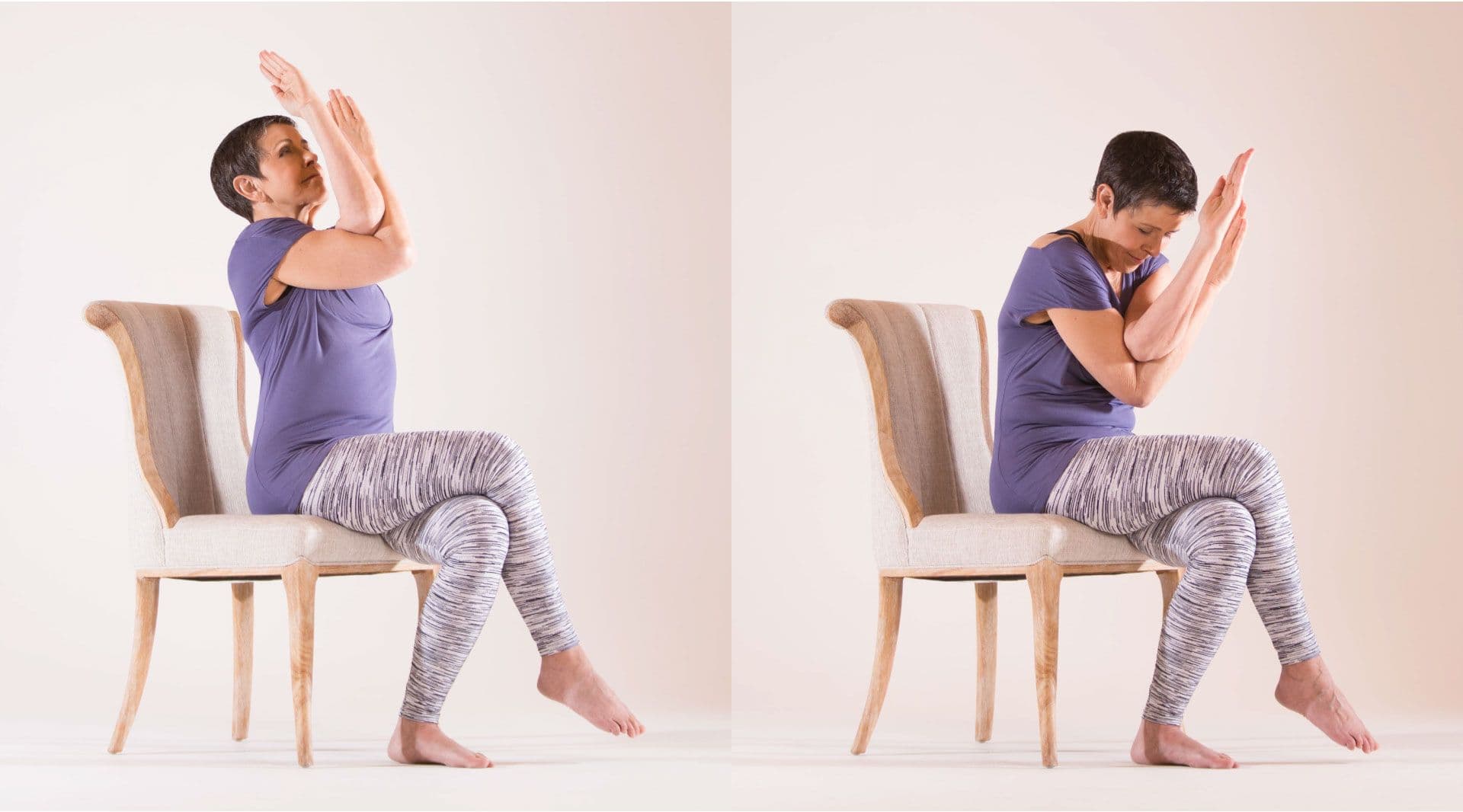
Balance drills using a chair for support
Dance-inspired routines (like tango or waltz)
Even simple vocal exercises that involve breathwork and projection are helpful, strengthening throat muscles and improving speech—an area Parkinson’s can impact.
💡 Starting at Home: A Gentle Guide
Not near a class? No problem.
Many organizations offer free online videos with guided movement sessions. All you need is a chair, a little space, and comfortable clothing.
Here are three beginner-friendly ideas:
Sit-to-stand drills – Helps with leg strength
Wall push-ups – Builds upper-body stability
Marching in place with music – Boosts coordination
As always, consult your physician before beginning any new routine. But don’t wait for the “perfect” moment—consistency beats intensity every time.
❤️ The Emotional Lift: More Than Just Physical Health
It’s not just about muscle or mobility. Movement improves mood, combats depression, and restores a sense of identity for many facing a diagnosis.
Group classes can foster community and fight isolation. Even solo sessions can reconnect you to your body in powerful ways.
Remember: Every movement is a message to your nervous system that you’re not giving up.
Small Steps, Big Shifts
Living with Parkinson’s is not easy. But the right exercise—tailored, safe, and gentle—can offer moments of triumph. You don’t need to be an athlete. You just need to begin. One stretch, one breath, one step at a time.
Whether you're newly diagnosed or years into your journey, it’s never too late to explore movement as medicine.

