
Health
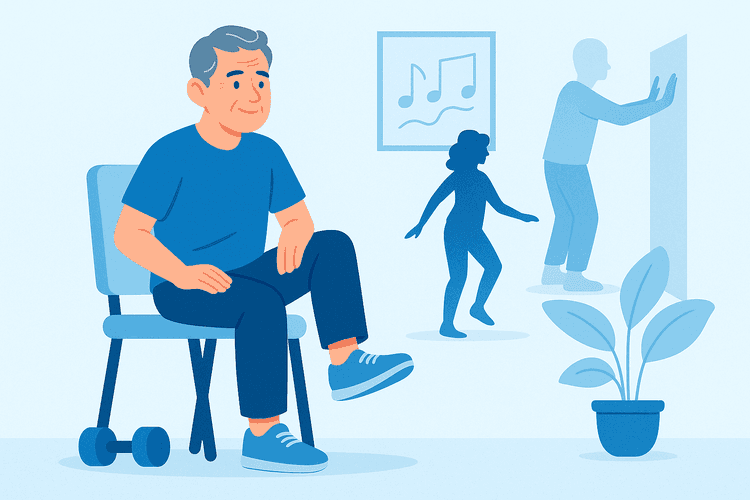
🧠 Staying Active: Parkinson’s-Friendly Exercises That Actually Work
When you're living with Parkinson’s, it can often feel like your body is no longer playing by the same rules. Movements you once took for granted—like getting out of a chair, turning over in bed, or walking with confidence—start to feel like uphill battles. But here’s the surprising truth: movement is medicine. Not only can the right exercises slow the progression of symptoms, they can also help you reclaim control, improve balance, and boost your mood.

Advantages of Juvederm for Seniors
Aging is a natural process, and as we grow older, our skin tends to show signs of wear, such as wrinkles, sagging, and dryness. While these signs were once seen as an unavoidable part of aging, modern cosmetic advancements like Juvederm have changed that perspective. Seniors now have access to safe, effective treatments that rejuvenate their appearance without resorting to invasive surgery.

Many Experts Are Buzzing About These Gut-Supporting Supplements
Gut health is having a major moment—and for good reason. Scientists are uncovering powerful links between your digestive system and everything from mood and energy to immune strength. Now, a new wave of gut-supporting supplements is gaining momentum, and health experts everywhere are taking notice. If it feels like everyone’s talking about it, it’s because the science is too compelling to ignore.
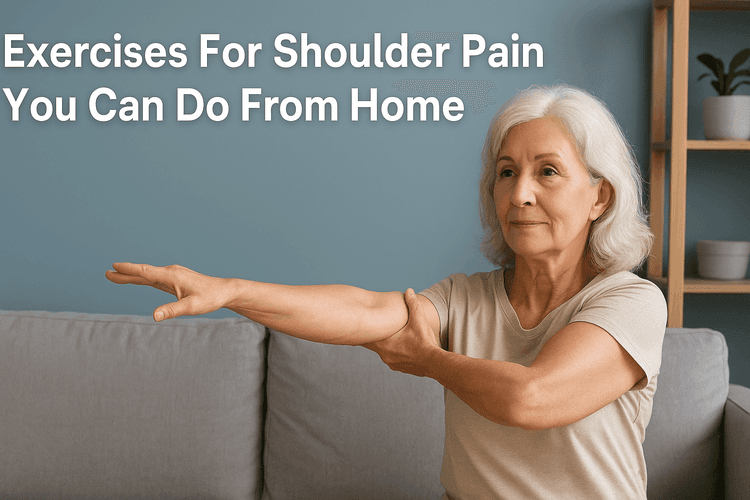
Exercises For Shoulder Pain You Can Do From Home
Shoulder discomfort can affect everyday activities such as reaching, lifting, dressing, and even sleeping, which is why many people look for simple, gentle movements they can do from home to stay comfortable. While exercises cannot diagnose or treat medical conditions, certain low-impact motions may help support flexibility, ease stiffness, and maintain comfort in the shoulder area. These routines emphasize controlled movements, range-of-motion support, and gradual stretching rather than force or intensity. For individuals who want approachable, at-home exercises that promote mobility, the key is choosing motions that feel gentle, manageable, and safe. This guide highlights common, widely used shoulder-friendly movements people incorporate into home routines to support comfort and ease of motion.