
Seniors
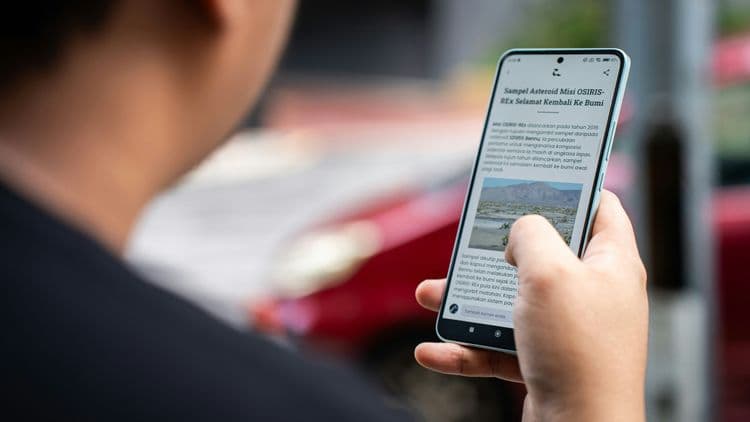
Unlocking the Potential of K-12 Education
In a Rapidly Changing World The landscape of education is evolving at an unprecedented pace, transforming how students learn and engage with the world. K-12 education serves as the foundational stage, shaping not just academic skills but also character and critical thinking. What are the essential components of a K-12 education that can equip students for the challenges ahead? Let’s dive in and explore the intricacies of K-12 education, its benefits, and its evolving role in preparing our future generations.
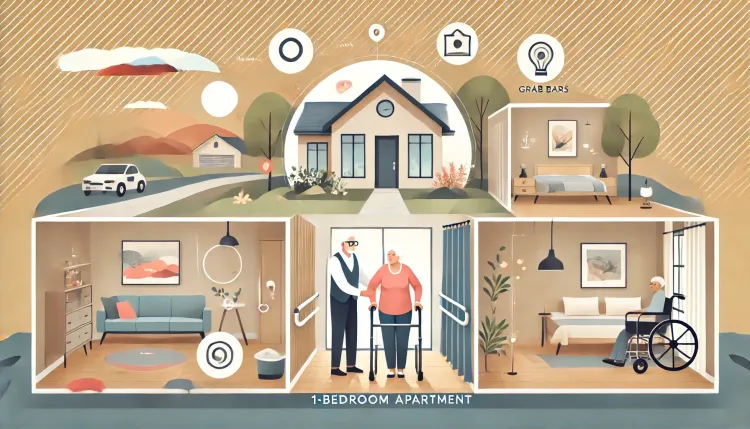
How Americans Can Find the Perfect 1-Bedroom Apartment: A Comprehensive Guide
Finding the perfect 1-bedroom apartment can be exciting, whether you’re downsizing, starting fresh, or seeking convenience. With the right approach, you can find a comfortable, safe apartment that meets your needs and budget. Here’s a guide on choosing the ideal 1-bedroom apartment, covering everything from location to budget considerations.
Verizon’s Quiet Deal for Seniors? Here’s What You Need to Know
If you're over 55 and think you're paying too much for your cell phone service, you might be right. Hidden in plain sight, Verizon has been quietly offering a deal specifically designed for seniors—yet almost no one knows about it. This isn't some flashy ad campaign or limited-time offer; it's a permanent plan that many seniors could qualify for but simply haven't heard about. And if you've ever felt overwhelmed trying to decode wireless plans, you’re not alone.
Unlocking the Potential of Polk K12: A Deep Dive into the Future of Education
The Evolution of Education in Polk K12 In an age of rapid transformation and innovation, the education landscape stands at a pivotal juncture, especially within the Polk K12 system. With advancements in technology and a growing understanding of what students need to thrive, Polk K12 is not just about rote learning; it's a comprehensive approach to cultivating knowledge and skills that resonate in the 21st century. How does this system accomplish its goals, and what does it mean for educators, students, and parents alike?