
Health
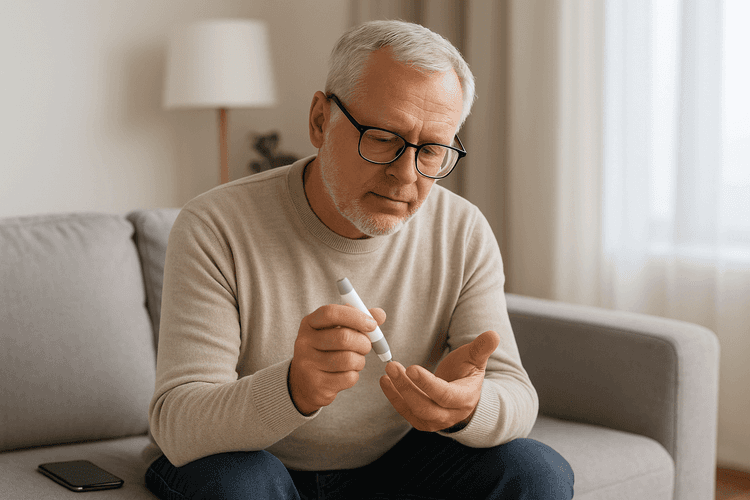
Easy Methods To Comfortably Monitor Blood Sugar
While blood sugar tracking was once associated almost exclusively with complex routines and finger-prick meters, today’s approaches have become far more comfortable, accessible, and user-friendly. Advancements in wearable sensors, simplified testing tools, and digital health technology allow individuals to gather insights without disrupting their daily routines. Understanding these options can help people choose monitoring methods that fit naturally into their lifestyles, reducing stress and improving long-term consistency.
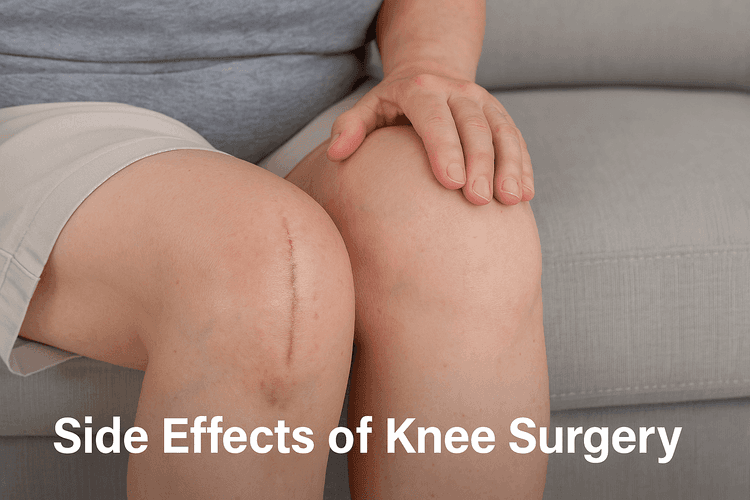
Side Effects of Knee Surgery: What You Should Know
Knee surgery—whether performed for joint repair, ligament reconstruction, cartilage restoration, or full joint replacement—remains one of the most common orthopedic procedures in the world. While these surgeries often help improve mobility or address long-standing joint issues, the recovery process can involve a range of side effects that vary widely from person to person. Understanding these potential effects can help patients prepare mentally and physically for the healing process, set realistic expectations.
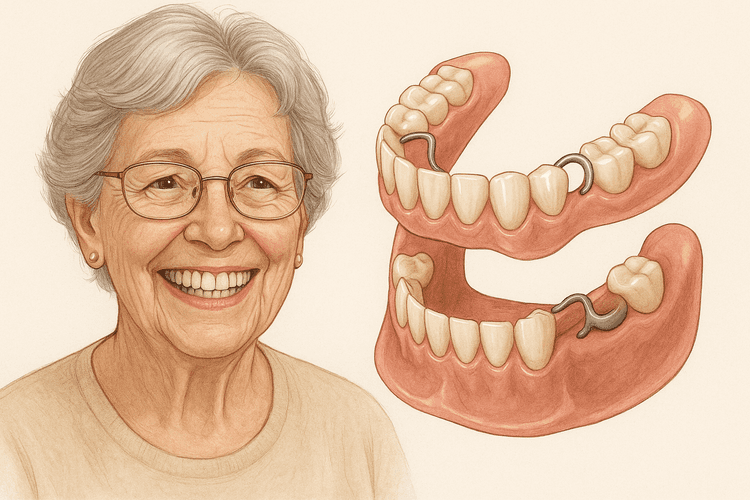
Dental Clips for Seniors: The Overlooked Option Simplifying Smiles
For many seniors, maintaining a confident smile becomes more challenging with age. Traditional dentures, while widely used, can sometimes feel bulky or unstable. A lesser-known option dental clips is gaining momentum as an accessible and less invasive alternative. This emerging solution is sparking interest among both dental professionals and older adults seeking simplicity and comfort without the commitment of surgical implants.
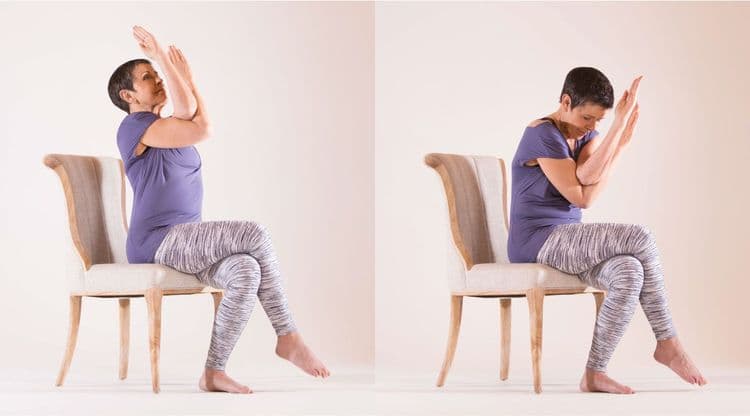
Why These Simple Exercises Are Gaining Attention Among Parkinson’s Patients
Living with Parkinson’s disease often feels like walking an invisible tightrope. Each step, each movement, even everyday tasks can become a challenge. But here’s something many don’t realize—gentle, consistent movement can be one of the most powerful tools in managing Parkinson’s symptoms. Across the country, neurologists, physiotherapists, and caregivers are noticing a shift: specialized, Parkinson’s-friendly exercises are improving quality of life in surprising ways, even in advanced stages of the disease.